When 60 Means 50: The Van Weight Rules That Catch Drivers Out
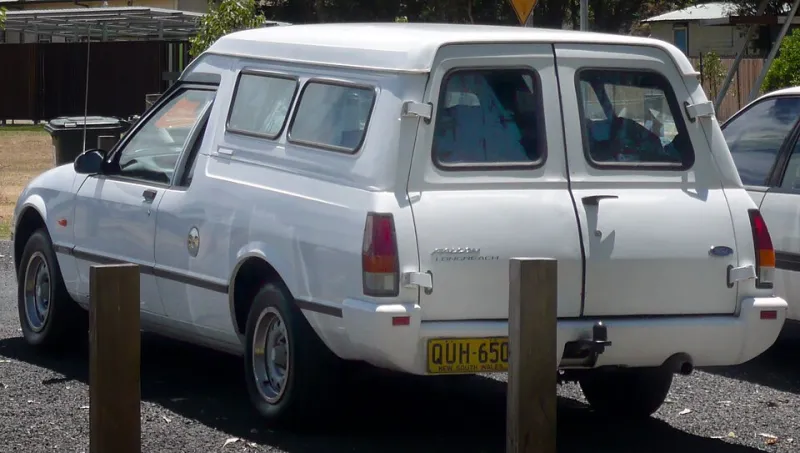
Photo: OSX, Public domain, via Wikimedia Commons
Picture the scene: you're in a long-wheelbase panel van on an A-road, the national speed limit sign flashes past, and you settle at 60 because that's what the sign means in a car. A week later, a notice lands on the doormat. The camera says 58 in a 50. The sign didn't change. Your vehicle did.
That's the trap. In the UK, the national speed limit is not one number applied to everything with four wheels. For vans, it depends on what the vehicle is legally classed as, how heavy it is, and sometimes whether it has four-wheel drive. Hire desks don't always spell it out, and sat-navs rarely know the difference.
The sign is only half the instruction
A white circle with a black diagonal stripe means 'national speed limit'. It does not mean 60, or 70, on its own. The limit comes from the road type plus the vehicle type. A car-derived van and a 3.5-tonne panel van can pass the same sign on the same road and have different legal ceilings.
For most light goods vehicles, the brackets look like this:
- Car-derived vans up to 2,000kg maximum gross weight: usually 60mph on a single carriageway, 70mph on a dual carriageway, 70mph on a motorway.
- Panel vans and goods vehicles over 2,000kg and up to 3,500kg: usually 50mph on a single carriageway, 60mph on a dual carriageway, 70mph on a motorway.
- Pickups and dual-purpose vehicles: if they are four-wheel drive and have an unladen weight of no more than 2,040kg, they can fall into the car-style bracket. If not, they are treated as goods vehicles.
- Crew cabs: extra seats do not automatically make a van car-like. A crew cab panel van over two tonnes is normally still a goods vehicle for speed limits.
- Towing a trailer: the limits drop again. As a rule of thumb, a goods vehicle towing a trailer is limited to 50mph on a single carriageway, 60mph on a dual carriageway and 60mph on a motorway.
Signed lower limits always win. A 40mph limit through roadworks, a 20mph zone or a temporary restriction applies whatever you are driving. The national limit is the default, not a target.
Why the 50/60/70 mix catches so many drivers
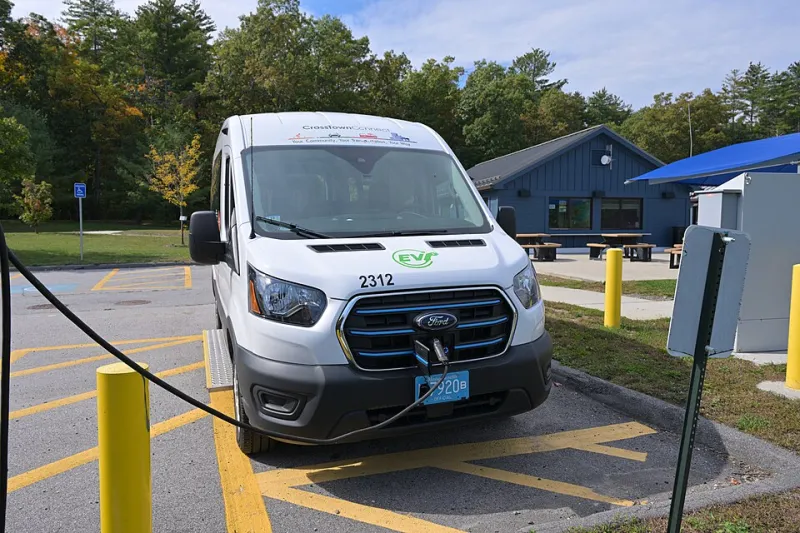
The confusion usually starts with the word 'van'. A Ford Fiesta Van, a Vauxhall Corsa van and a small car-derived commercial are often driven like cars because they feel like cars. A Transit Custom, Vivaro or Sprinter is a different legal animal once it goes over two tonnes gross weight.
The second source of confusion is hire. You book 'a van', collect whatever is on the forecourt, and drive it with car habits. If the hire company hands you a 3.5-tonne panel van, the single-carriageway limit is likely 50, not 60. The vehicle may pull away cleanly and sit at 60 without drama, but that is not the point. The camera reads the number, not the feel of the drive.
Pickups are another common blind spot. A double-cab pickup with four-wheel drive and a low unladen weight can be a dual-purpose vehicle, which means car-style limits. Take away the four-wheel drive, or load it past the threshold, and the rules can change. Two pickups that look almost identical on a driveway can sit in different brackets.
A five-minute check before your next job
You do not need to become a vehicle classification expert. You need to check the paperwork before you rely on the sign.
- Look at the V5C. Check the body type, taxation class and revenue weight. If it says 'panel van' or 'goods', do not assume car limits.
- Find the VIN plate. It is usually under the bonnet, in a door shut or on a chassis leg. It shows the gross vehicle weight and axle weights. Compare that with the unladen weight.
- Check the MOT class. Class 4 and class 7 are a useful clue, though not the whole answer.
- Read the hire paperwork. If you are renting, ask the desk which speed limits apply. Get it in writing if you are unsure. A good hire firm should know its own fleet.
- If in doubt, use the lower limit. Treat a panel van over two tonnes as a goods vehicle until proven otherwise.
The camera does not care about good intentions
Average-speed cameras and many fixed cameras use automatic number plate recognition. The system can match your registration to the DVLA record, including body type and revenue weight. That is why the fine can arrive weeks later, after a job you barely remember. 'It felt like a car' is not a defence. Neither is 'the hire company didn't tell me'.
There is also a practical safety point. A loaded panel van takes longer to stop than a hatchback. The lower goods-vehicle limits are not there to punish tradespeople. They reflect the weight, braking distance and risk.
The rule to carry in your head
If you drive a panel van over two tonnes, assume 50 on a single carriageway, 60 on a dual carriageway and 70 on a motorway. If you tow, assume 50, 60 and 60. If you drive a small car-derived van under two tonnes, you can usually follow car limits, but check the plate first. And if you hire, check before you leave the yard.
A clean licence is worth more than a few minutes saved on the A-road. The sign tells you the road. Your van tells you the number.