Plugging the Gap: What an Electric Van Really Does to a Tradesperson's Working Day
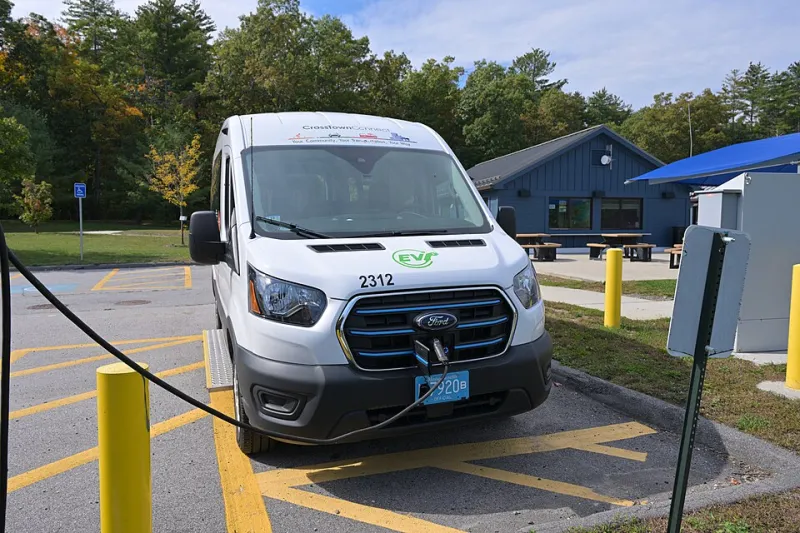
Photo: 4300streetcar, CC BY 4.0, via Wikimedia Commons
The brochure said 210 miles. By 8am on a cold January morning, with a roof rack, a full tool load and the heater on, the dash was showing closer to 140. That is not a scandal. It is how electric vans work. The question for a UK tradesperson in 2026 is not whether an e-van can do the brochure figure. It is whether it can do your day.
At VanSpall, the electric van conversation usually starts with range and ends with charging. Both matter, but neither tells the whole story. Payload, cost per mile, residual values and the logistics of charging on a terraced street all shape whether the van earns its keep.
The brochure range is a best-case, not a workday
Official range figures come from a test cycle. They are useful for comparing one van with another, but they are not a forecast for a builder's Monday. Load weight, cold weather, heater use, roof racks, stop-start traffic and motorway speeds all take a bite. In winter, a 20-30% drop is realistic. If you run a heavy load and a roof rack, it can be worse.
That does not make electric vans useless. It makes the daily mileage calculation more important. If your longest regular run is 60 miles and you can charge overnight, a van with a real-world winter range of 120-140 miles has plenty in hand. If your longest run is 180 miles with a trailer, you are looking at the wrong vehicle for now.
Payload is the first thing to check, not the last
Electric vans carry a weight penalty. The battery pack is heavy, and the conversion often eats into payload compared with the diesel equivalent. A diesel panel van that offers around 1,000kg payload might have an electric twin closer to 700-800kg. That difference matters when you are carrying tools, materials, a colleague and a roof rack.
Do not rely on the brochure payload alone. Check the VIN plate: gross vehicle weight minus kerb weight gives you the real payload figure for that specific van. Then add up your tools, stock, passengers and any rack or towbar load. If you are close to the limit before you start, the electric version may not be for you.
There is a second payload issue that catches people out: charging equipment. A cable, a granny charger and a few adapters do not weigh much, but they take up space. In a small van, space is payload too.
What it actually costs per mile
The cost story is good, but only if you can charge cheaply. On a home or depot tariff at around 26p per kWh, and a realistic 2.5 miles per kWh, you are looking at roughly 10p per mile. On an off-peak EV tariff at 9p per kWh, that can fall to around 4p per mile. Use a public rapid charger at 75p per kWh and the same van costs around 30p per mile.
Compare that with diesel. At £1.45 a litre and 32mpg, you are around 20p per mile. So the electric van is cheaper if you charge at home or at a depot. It can be more expensive if you rely on rapid chargers. And the cost per mile is only part of the picture: servicing is usually lower, but tyres can wear faster because of the extra weight and instant torque.
Charging on a terraced street is the real test
This is where a lot of UK trades get stuck. If you have a driveway, a home charger is straightforward. If you live on a terraced street and park wherever you can, charging becomes a daily logistics exercise. Cable ramps and pavement channels help, but not every council allows them. Lamppost chargers exist in some areas, but they are not universal. Public rapid charging works, but it costs more and takes time out of your day.
A depot charger changes everything. If your van returns to the same yard every night, you can plug in, walk away and start the next day full. That is the ideal duty cycle for an electric van. If your van sleeps on a different street every night, the maths gets harder.
The used market is changing the residual story
Electric vans have depreciated faster than many diesel equivalents. That is bad news if you bought new and want to sell in three years. It is good news if you are buying used in 2026 and plan to keep the van. There are ex-fleet e-vans around with low mileage and a battery warranty still in place. Most manufacturers offer around eight years or 100,000 miles of battery cover, but you need to check the start date and whether it transfers.
Before buying used, ask for a battery state-of-health report. Check the warranty terms, the charging history if available, and whether the van has had any software recalls. A cheap used electric van can be a bargain, but a cheap one with a tired battery and no warranty is a false economy.
Which trades fit today
The electric van suits predictable, local work with a base where you can charge. Think service calls, cleaning, light deliveries, mobile maintenance and urban trades with modest tool loads. If your day is 40-80 miles, your van returns to the same yard or driveway, and your payload is well within limits, an e-van can work well in 2026.
It is a harder sell for builders carrying heavy materials, tradespeople towing trailers, rural workers with long runs between jobs, and anyone who cannot charge at home or at a depot. It is also a stretch for multi-drop work where the route changes daily and public charging would eat into the working day.
A simple test before you sign
Before you commit, write down four numbers: your longest regular daily mileage, your realistic payload, your charging location, and your worst winter route. Add a 30% buffer to the mileage. If the van can cover that with the load you actually carry and charge where you actually park, it is worth a serious look. If any one of those numbers fails, wait. The electric van market is moving quickly, and the right van for your business may be a year or two away.