Hire or Buy? A UK Tradesperson's Van Cost Guide for 2026
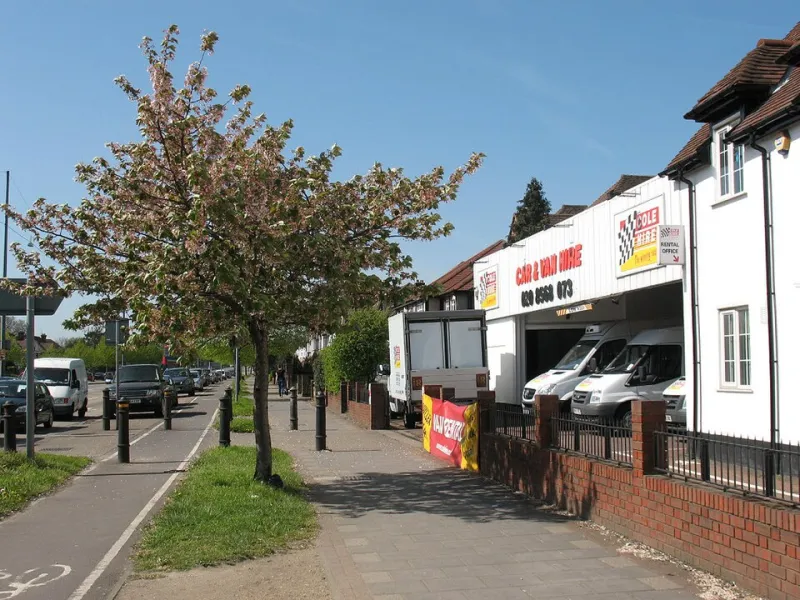
Photo: Stephen Craven , CC BY-SA 2.0, via Wikimedia Commons
You have got a job on. You need a van. Do you hire one for the day or bite the bullet and buy? The honest answer depends on how often you need it, how far you are going and how much hassle you can live with. A van is a tool, not a trophy. The right choice is the one that costs least without slowing you down.
The quick answer
If you need a van once a month or less, hire. If you need one most working days, buying or leasing usually wins. If you are somewhere in the middle, hire for a month and keep a simple log of what you spend. The numbers will tell you quickly enough.
What van hire actually costs in 2026
Daily rates vary by location, van size and how far ahead you book. As a rough guide for UK hire in 2026:
- Small car-derived van: around £40-£65 per day
- Short-wheelbase panel van: around £55-£85 per day
- Long-wheelbase panel van: around £70-£100 per day
- Luton van: around £90-£150 per day
Insurance is often included, but check the excess. It can be £500 to £1,500, and young drivers or drivers with points may pay more. Mileage limits are common: often 100 to 200 miles per day, then 10p to 20p per extra mile. Fuel policy matters too. Some firms ask you to return the van with the same fuel level. Others charge a refuelling fee that can be painful.
Do not forget deposits, congestion charges, ULEZ or clean air zone fees, one-way hire charges and weekend surcharges. A £55 daily rate can become £90 once the extras are added.
Three job sizes and the maths
1. The one-off small job
You need a small van for half a day to collect materials or move a few tools. Hire a small van at £50, add £15 of fuel and a bit of mileage, and you are at around £65. Buying a cheap used van for £3,000 sounds tempting, but then you need insurance, tax, MOT, servicing and somewhere to park it. Even a cheap van can cost £1,500 a year before repairs. Hire wins easily here.
2. The week-long fit-out
You need a Luton for five days. At £110 per day, that is £550 before fuel and any extra mileage. If you do that job twice a year, hiring is still sensible. If you do it ten times a year, you are spending £5,500 on hire. At that point, a small lease van at £250 per month, plus insurance and maintenance, starts to look reasonable. But only if you will use it between jobs.
3. Full-time trade use
You need a van 200 days a year. Hiring at £60 per day would cost £12,000. A lease at £300 per month is £3,600 a year, plus insurance at around £900, maintenance at £600 and fuel. That is roughly £5,100 before fuel, and you have the van every day. Buying a used van for £15,000 and keeping it for five years might cost £3,000 a year in depreciation, plus running costs. Either buying or leasing usually beats daily hire for full-time use.
Costs people forget when buying
Buying feels simple: pay the money, get the van. Then the bills arrive. Business insurance, road tax, MOT, servicing, tyres, repairs, security, signage and downtime all add up. If the van is off the road, you may need to hire one anyway. Depreciation is also a real cost, even if it does not appear on a monthly invoice.
Leasing has its own traps: mileage limits, wear-and-tear charges, early termination fees and deposit amounts. Hire has different traps: excess damage charges, fuel policies, late return fees and limited availability at short notice.
When buying makes sense
Use this checklist. If you tick most of these boxes, buying or leasing is probably worth it:
- You need a van at least three days a week.
- Your work is predictable enough to justify a monthly cost.
- You have secure overnight parking.
- You can afford servicing, insurance and the odd repair.
- You plan to keep the van for three years or more.
- You need your own signage, racking or tools left in the van.
- You are happy dealing with MOTs, tax and maintenance.
When hiring wins
Hiring is the better call when you need a van for a one-off bulky job, a short contract or a busy seasonal spike. It also makes sense if you have nowhere to park a van, if you want the newest vehicle without the repair risk, or if you are testing whether van ownership suits your business at all. A hire van is also a useful test drive. Spend a week in the model you are thinking of buying before you commit.
The middle path: leasing and subscriptions
Leasing sits between hiring and buying. You get a fixed monthly cost and a van that stays with you. Van subscription services are also growing in the UK, offering shorter terms than a traditional lease. They can suit businesses that need a van for three to twelve months without wanting to tie up cash. Read the mileage and damage terms carefully. A cheap monthly payment can hide expensive end-of-contract charges.
The VanSpall verdict
Do not buy a van just because it feels more professional. Do not hire one every day just because it feels flexible. Add up your real annual use, including the jobs you forget about. If your hire bill over a year is more than a lease payment plus insurance and maintenance, change course. If it is not, keep hiring and put the difference into tools, marketing or a rainy-day fund. The van should serve the business, not the other way round.