Deadlocks, Deterrents and Dirty Tricks: A Van Security Playbook for UK Trades in 2026
Tool theft is rarely a random crime of opportunity. A thief looks at a row of parked vans and picks the one with the weakest rear doors, the clearest glass and the most obvious signs that a joiner, electrician or plumber has left a full kit inside. In 2026, that is still the reality for UK tradespeople. The van is a mobile workshop, and criminals know exactly what a loaded Transit, Vivaro or Sprinter is worth in cash and inconvenience.
The good news is that most thefts can be made harder, slower or noisier. You do not need to turn your van into an armoured car. You do need to understand how the break-in usually happens, spend money where it changes the odds, and build a parking routine that does not rely on luck.
The break-in methods that keep working
The most common route is still the rear doors. Thieves use a screwdriver or pry bar to bend the door skin, reach inside and pop the lock. It is quick, quiet and leaves less mess than smashing a window. Side-load doors are also targeted, especially on vans with visible tool bags or cable drums. Lock cylinders can be drilled or snapped. Keyless relay attacks are less common on older work vans but not unheard of on newer models with push-button start.
Then there is the simple stuff: a brick through a window, a door left unlocked on a busy site, or a spare key hidden in a magnetic box. Tool theft is not always sophisticated. Sometimes it is just a matter of someone noticing that the same van is parked in the same dark corner every night.
Spend on locks before gadgets
A tracker is useful, but it tells you where your tools went after they have gone. A deadlock helps stop them leaving in the first place. For most tradespeople, the sensible order is: physical locks first, alarm second, tracker third.
Deadlocks on rear and side load doors are the best starting point. A good van deadlock adds a second, independent locking point that is not connected to the central locking. That means a thief who defeats the factory lock still has to deal with a hardened steel bolt. Expect to pay roughly £150 to £300 per door fitted, depending on the van and the lock. Anti-peel plates and lock shrouds are cheaper add-ons and can make a big difference on vans with exposed rear door edges.
High-security lock cylinders are worth considering, especially if your van is a common model. So are internal security grilles if you carry high-value kit and cannot empty the van every night. Do not overlook the bulkhead. If someone gets into the cab, a solid bulkhead and a lockable bulkhead door slow them down.
Alarms, trackers and insurance-friendly proof
An aftermarket alarm with interior movement sensors and a tilt sensor is a reasonable next step. It will not stop a determined thief, but it can deter the casual one and wake up a street. A Thatcham-approved tracker is more about recovery than prevention. If your tools are insured for a high value, your insurer may insist on one anyway.
Keep the receipts for every upgrade. Some insurers recognise approved locks, alarms and trackers, and some will ask for proof of professional fitting. Check your policy before you spend. Many tool policies require tools to be removed overnight or stored in a secure compound. If you leave a full kit in the van and it is stolen, the insurer may pay less than you expect, or nothing at all. Security upgrades are not a substitute for reading the small print.
Parking is part of the security system
You can fit the best deadlocks on the market and still lose your tools if you park badly. Where possible, reverse the van tight against a wall, fence or hedge so the rear doors cannot be opened. Park under a light or, better, a CCTV camera. Use a secure yard or compound if you have one. If you work on a site, ask where the vans are parked overnight and whether there is a locked compound.
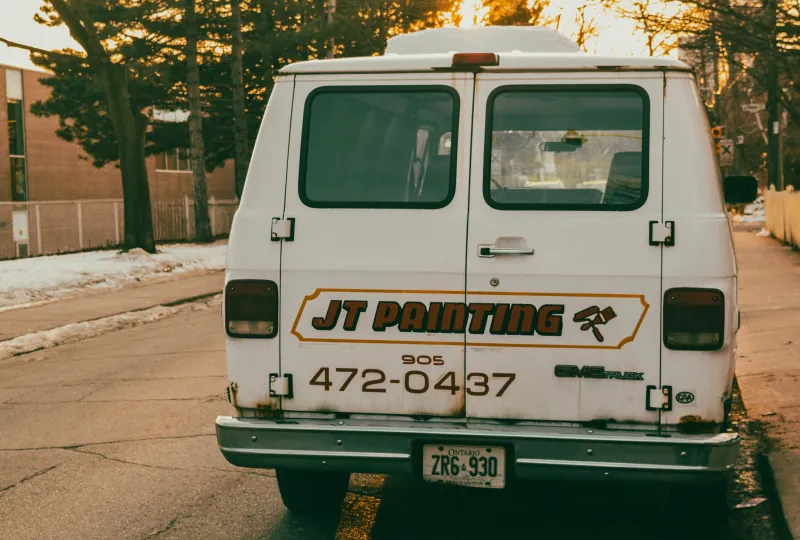
Avoid leaving tools visible through the windows. A cheap cable lock through the handles of tool boxes will not stop a professional, but it will slow down an opportunist. If you must leave tools in the van, use a van safe bolted through the floor and remove the most valuable items, such as batteries, diagnostic kit and power tools. Do not leave the van running while you unload. Do not hide a spare key on the vehicle. Do not advertise your trade with a huge sign if the van is parked on a dark residential street every night.
A realistic overnight checklist
- Empty the van if you can, especially on Friday nights.
- Park with the rear doors blocked and the cab facing a wall or fence where possible.
- Lock all doors, including the bulkhead, and use deadlocks.
- Set the alarm and confirm the tracker is active.
- Put tools in a locked safe or take them indoors.
- Keep the keys away from the front door and away from the van.
- Record serial numbers and photograph your kit.
- Mark tools with your postcode or a unique reference.
- Check your insurance conditions before assuming you are covered.
The bottom line
Van security is not about one miracle product. It is about layering cheap, sensible measures until your van is more hassle to break into than the one parked two streets away. Start with deadlocks and better parking, then add an alarm and tracker if the value of your kit justifies it. The aim is not to make theft impossible. It is to make it slow, noisy and inconvenient enough that the thief moves on.