The CAZ Reckoning: Hire, Retrofit or Replace Your Van in 2026

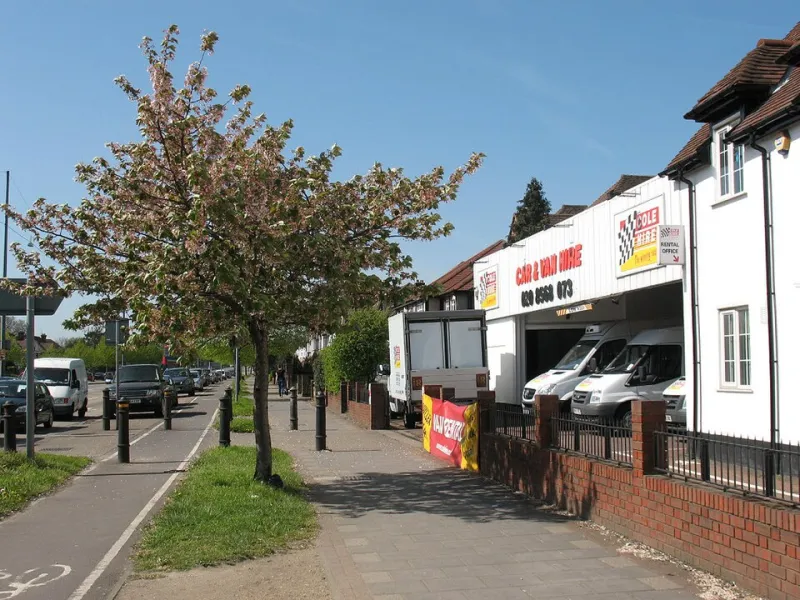
Photo: AnonymousUnknown author, Public domain, via Wikimedia Commons
Clean air zone rules used to be something London van drivers worried about and everyone else ignored. That has changed. By 2026, several UK cities operate zones that charge non-compliant vans, and the rules are not identical. For a tradesperson running an older diesel panel van, the question is no longer just environmental. It is a line in the monthly budget.
The tricky part is that compliance is based on the engine's Euro emissions standard, not the age on the number plate. A van registered in 2016 can be compliant; an earlier one might not be. Before you panic, check your registration on the government's clean air zone checker. Then work out how many days you actually drive into a charging zone. That number decides whether you keep, retrofit, hire or replace.
What actually counts as compliant
For most vans, the line is Euro 6 for diesel and Euro 4 for petrol. In practice, that means many diesel vans registered from around September 2015 onwards are compliant, but not all. Some early Euro 6 vans were built to different standards, and some manufacturers introduced updates later. Petrol vans are usually compliant from around 2006 onwards, but again, check the specific vehicle.
London's ultra low emission zone is the best-known scheme. It operates 24 hours a day, every day except Christmas Day, and non-compliant vans pay £12.50 a day. Other cities run clean air zones with different classes and charges. Some charge vans; some only charge lorries, buses and coaches. Some cover a small ring road; others cover most of the city. Common daily charges for non-compliant vans sit between £8 and £12.50, but you need to check the zone you actually use. Do not assume that a CAZ sign on the outskirts means every van pays.
The daily charge maths
This is where the decision gets real. If you drive into London's ULEZ 200 days a year in a non-compliant van, the charge is £2,500. At 250 days, it is £3,125. That is before fuel, insurance, servicing and the cost of replacing the van. In Birmingham, at £8 a day, 250 days is £2,000. In a smaller zone where you only cross the boundary twice a week, the annual cost might be a few hundred pounds.
Write down your real number. Not the worst-case number, and not the number you hope is true. Count the days you actually need to be inside the zone. If you are a plumber working mostly outside the zone but doing two London jobs a month, the maths is very different from a courier crossing the boundary five days a week.
Retrofit: niche, not a universal fix
Retrofitting a diesel van to meet Euro 6 standards is possible, but it is not a simple bolt-on. The vehicle usually needs a selective catalytic reduction system and an approved conversion. The work must be done by a recognised installer, and not every van is suitable. Costs can run into thousands of pounds, and you lose the van for several days.
Retrofit can make sense for a specialist vehicle that would be expensive to replace, such as a wheelchair-accessible van, a catering van or a high-value conversion. For a standard panel van, the sums often do not add up. You are spending money on an older vehicle that will still depreciate, still need repairs and may still be worth less than a compliant van on the used market. Get a written quote and compare it with the cost of replacing the van, not just with the daily charge.
Hire as a bridge
If your zone trips are occasional, hiring a compliant van can be cheaper than replacing your own. A day's hire might cost £50 to £90 for a small panel van, depending on the company and the season. Add fuel and any congestion charge, and it is still often less than paying a daily CAZ charge plus running a second vehicle.
The catch is that you must hire a compliant van. Check the registration and ask the hire company directly. Do not assume that a new-looking van is Euro 6. Also check who pays any CAZ charge if the hire van is non-compliant. Most hire agreements put traffic and clean air charges on the hirer, so a cheap hire can become expensive if you get it wrong.
When replacing makes sense
Replacement usually wins when you are paying charges regularly, you plan to keep the van for several years, and you can afford the change without stretching your cash flow. A compliant used van at £250 a month costs £3,000 a year before insurance and servicing, but it also has residual value and should be cheaper to run than an older van. If you are paying £2,500 to £3,000 a year in CAZ charges, the case is strong.
There is also the resale question. A non-compliant van is worth less to buyers who need to enter a clean air zone, but it may still sell well to someone outside the zone. Get a valuation before you decide. Sometimes selling the old van privately and buying a compliant replacement is cheaper than part-exchanging in a hurry.
A simple decision framework
- Check your van's Euro standard on the government checker.
- List every clean air zone you use and the daily charge for vans.
- Count your chargeable days over a year.
- Get a written retrofit quote if you are considering it.
- Price a compliant replacement, including insurance and finance.
- Compare hire costs for occasional zone trips.
- Add up the total cost over three years, not just the first month.
The bottom line
Clean air zones are a running cost, not a one-off annoyance. If you rarely enter a charging zone, paying the daily charge may be the cheapest option. If you are inside one most weeks, the money is better spent on a compliant van or a planned switch. Do the maths with your real mileage, your real routes and your real cash flow. The right answer is different for a sole trader doing local jobs and a firm running a fleet of older vans across several cities.