The Money on Ice: What a Van Hire Hold Really Costs Your Cash Flow

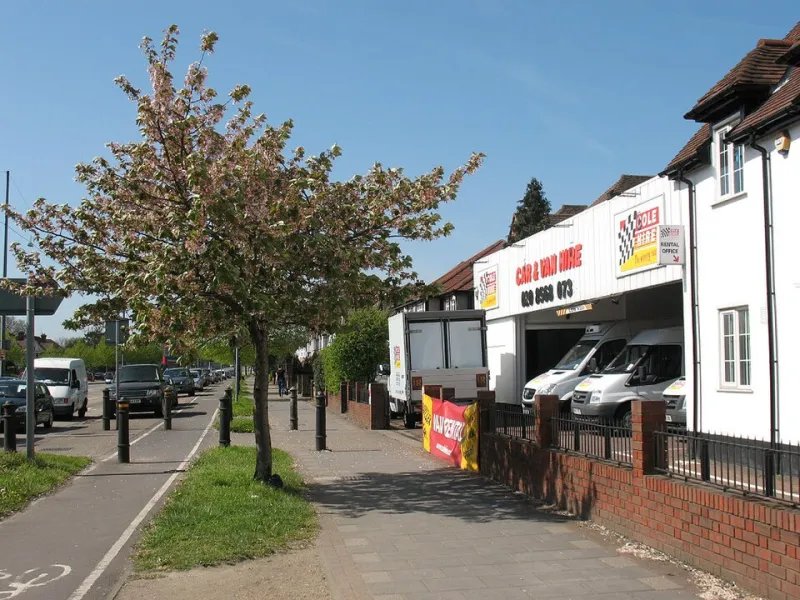
Photo: Dr Neil Clifton, CC BY-SA 2.0, via Wikimedia Commons
Book a van for a Friday morning and you'll spend the week thinking about the job. Book three in a month and you'll spend it thinking about the deposit. That's the quiet cost of hiring: not the daily rate on the quote, but the chunk of your own cash that sits frozen on a card while the hire firm decides you've behaved.
It catches out seasoned trades as often as first-timers. So here's what's actually happening behind the counter, and how to stop it biting.
A hold is not a charge — but your bank account doesn't care
When the hire desk takes a pre-authorisation, they're asking your card issuer to ring-fence a sum. Nothing is transferred. The rental company never sees the money; it simply can't be spent by you either.
That distinction matters, because it explains the infuriating bit. The hire firm releases the hold the moment the van comes back clean. Your bank then takes its own sweet time turning that release into available balance. Most UK issuers clear a released pre-auth within three to five working days, but the small print often allows up to ten, and weekends and bank holidays don't count in your favour.
So the van went back on Saturday and the money is still unavailable the following Thursday. Nobody has done anything wrong. It's just two systems on different clocks.
Why debit cards hurt more than credit
On a credit card, a hold eats into your available limit. Annoying, but the cash is still in your account earning its keep.
On a debit card, the money is physically unavailable. Withdraw it from the account and you're watching your fuel budget, your supplier payments and your subbies' wages all queue behind a £400 authorisation for a van you returned two days ago.
For a sole trader running tight margins, that's the difference between paying a merchant on time and copping a late-payment note. If you have a credit card with headroom, use it for the deposit even when you pay the hire itself on debit. Nobody at the desk will stop you splitting the transaction, though it's worth asking rather than assuming.
The numbers on the counter
Deposits vary wildly by firm, vehicle and driver. A small car-derived van from a national chain might sit at £250. A long-wheelbase panel van or a Luton can attract £500 to £1,000, and some firms hold the insurance excess on top, which can push a single hire past £1,500 of frozen funds.
Add the usual extras and the picture gets muddier:
- Fuel policy holds — some desks add a tank's worth on top of the damage deposit.
- Young driver surcharges — under-25 hires frequently require a larger hold.
- Additional drivers — occasionally trigger their own authorisation.
- Cross-border or long-distance hires — higher excess, therefore higher hold.
Hire three vans across a busy month and you can easily have £1,200 tied up at any one time, none of it earning anything, all of it technically yours.
Read the release terms before you sign, not after
Most people skim the damage diagram and sign. The release clause is further down, and it's the one that decides when you get your money back.
Things worth confirming at the desk, out loud, with a pen in your hand:
- How much is being held, exactly? Get the figure, not the phrase "standard deposit".
- When is the release triggered? On return, on inspection, or on some internal finance run that happens twice a week?
- Is it taken now or at collection? Some online bookings authorise at the moment of reservation — days before you collect — which means a cancelled booking can leave money frozen for a week for a van you never touched.
- Will they confirm the release in writing? A short email with the date and amount is worth more than a shrug.
- Do they accept a credit card for the hold? Ask even if the website says debit only. Branch discretion exists.
Photograph the van at collection, all four corners plus the roof and the load bay, with the timestamp visible. Disputes about a scuff are the single most common reason a hold turns into a charge, and a photo taken in the yard settles most of them before they start.
The return desk is where holds get stuck
Hand the keys back and the process usually pauses. The van needs inspecting, the inspector needs to file a report, the report needs approving. That can happen in an hour or it can happen on Monday.
Two habits shorten the gap. First, insist on a signed return condition report while you're standing there — not a verbal "looks fine". Second, ask the agent to process the release in front of you and note the time. If they can't, get the name of who will and when.
Return it fuelled to the agreed level, too. A missing quarter-tank is the easiest excuse in the business for holding a deposit back for "reconciliation".
Chasing a release that never lands
If ten working days have gone by and the money is still missing, stop waiting and start a trail.
- Email the branch, not the call centre, quoting your rental agreement number and the date of return. Ask for the release reference or a void confirmation from their payment processor.
- Send the same to your card issuer. Banks can trace an expired authorisation and, in most cases, force it to drop off.
- If the hire firm claims damage you didn't cause, request the inspection report and photographs in writing. Don't argue the toss on the phone.
- Still stuck? A formal complaint to the firm, then the British Vehicle Rental and Leasing Association's conciliation service if they're a member. Card payments also carry chargeback rights, though that's a slow road and best kept as a last resort.
Keep every email. A paper trail makes a bank far more willing to intervene.
Plan the hold into the week, not around it
Treat a hire deposit as a cash-flow line item in the same way you'd treat a fuel bill. If you know a £600 hold is landing on Thursday, don't schedule the merchant payment for Friday.
For firms hiring regularly, it's worth asking about trade accounts. Some independents will hold a standing deposit or reduce the per-hire authorisation for known customers with a clean record. It's rarely advertised, and it's almost never offered unless you ask.
The van hire itself is the cheap part. It's the money standing still behind it that quietly costs you.