One Van Down: How Small Firms Keep Earning When the Workhorse Is in the Workshop
Most one-van businesses do not have a continuity plan. They have a van, a phone and a diary that assumes the van will start every morning. That works beautifully until the morning it does not. A gearbox noise becomes a workshop slot, a minor bump becomes an insurance claim, or a warning light turns into a parts delay measured in weeks. Suddenly the business has a problem that is not really about transport. It is about cash flow, reputation and keeping booked work from walking.
The morning it happens
The first hour after a van failure is usually chaos. You are ringing the garage, moving tools out of the back, cancelling the first job and wondering whether the second one can be saved. The temptation is to solve it all by phone, one call at a time. That is also how small firms lose money: they spend the day firefighting and forget to ask what the work is actually worth.
A better approach is to treat the van as a piece of business equipment, not a personal inconvenience. If it is off the road, you need three things quickly: a way to move tools and materials, a clear message for customers, and a rough idea of what a short-term replacement will cost against the jobs at risk. Everything else can wait until the van is back.
Build the plan before you need it
A van-down plan does not need to be a laminated document. A note on your phone or a page in your job folder is enough, provided it is written before the panic. The point is to make the first hour faster.
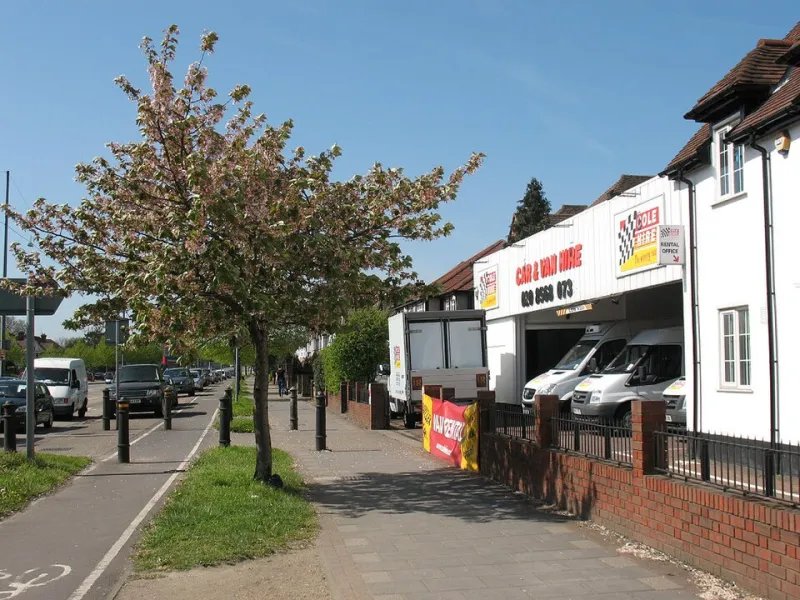
Start with your likely replacement options. That means two or three hire firms within reasonable reach, not just the one you see advertised on the side of a bus. Check whether they do daily, weekly and monthly rates, whether they offer one-way hire, and whether they can supply a van with a tow bar, roof bars or a ply-lined load area. For trades, a standard panel van is often fine, but a spark or a plumber may need something specific. Knowing who can deliver that at short notice is half the battle.
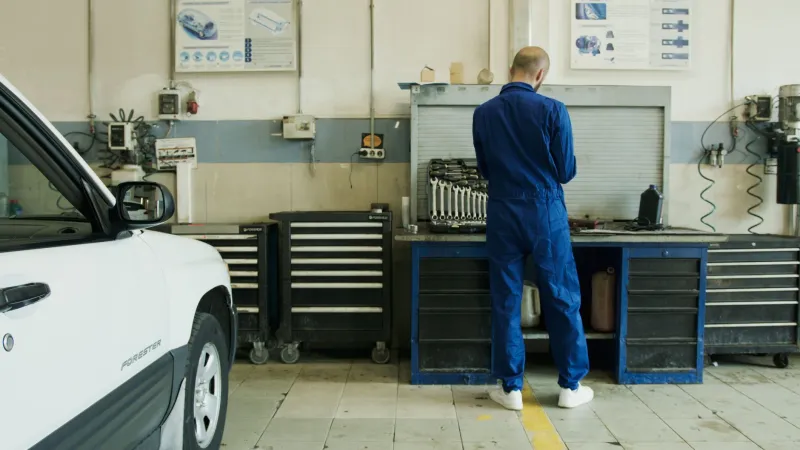
Then think about your tools. If your van is in a bodyshop or a main dealer, can you get the tools out? Some repairs mean the van is locked in a yard for days. A lockable site box, a spare set of essential hand tools and a clear idea of what can be left behind will save you a wasted trip.
A named hire account is worth more than a saved quote
One of the most useful things a small firm can do is open a trade hire account before there is an emergency. It does not guarantee a van will be sitting there when you call, but it usually speeds up the paperwork, gives you access to account rates and makes the hire desk more likely to take your call seriously at 7.30am.
Ask what the account actually includes. Damage waiver, excess levels, mileage allowances and out-of-hours returns all matter. A cheap daily rate can become an expensive week if you exceed the mileage or bring it back with a scratch that the hire firm wants to charge for. If you have not hired before, read the damage rules carefully and photograph the van before you drive away. That advice applies double when you are stressed and in a hurry.
Your van-down checklist
A simple checklist keeps the day moving. It might include:
- Call the garage and get a realistic repair window, not just a booking time.
- Check your insurance policy for courtesy van or spot-hire cover.
- Ring your named hire contacts and ask for availability and a delivered price.
- Message affected customers before they message you.
- Work out which jobs can be done with a smaller vehicle, a trailer or public transport.
- Move high-value tools indoors or into a lockable store if the van is insecure.
- Keep receipts for hire, fuel and parking, because some policies and accountants will want them.
That last point is easy to forget. If the van is off the road because of an insured event, some policies will consider reasonable replacement transport costs. Others will not. Do not assume. Ask your broker or insurer what is covered and what evidence they need.
What to tell customers
Customers are usually more understanding than tradespeople expect, provided they hear it from you first. The bad approach is to go quiet and hope the repair is quick. The good approach is a short, factual message: the van is off the road, the job is still booked or being rescheduled, and here is the new date or the plan.
For domestic customers, a phone call often beats a text. For builders, agents and commercial clients, an email with a revised start date is useful because someone may need to update a site diary. If a job genuinely cannot go ahead without your van, say so early and offer an alternative date. Most people can forgive a delay. They are less forgiving of a no-show.
Hire costs versus lost earnings
Short-notice van hire is rarely cheap. A daily rate at the desk can look alarming when you are already facing a repair bill. But compare it with the alternative: a day of lost labour, a cancelled job, a customer who books someone else and never comes back. For many sole traders, one saved day of work covers a good chunk of a week's hire.
The maths is not always obvious. If you are on a fixed price job, hire may eat into the margin. If you are on day rate or hourly work, the calculation is simpler. Write down your likely daily earnings, the hire cost including fuel and insurance, and the value of the jobs you can realistically save. Then make a judgement. The cheapest option is not always the one with the lowest hire invoice.
Does your insurance actually help?
Courtesy vans are often mentioned in insurance discussions as if they are standard. They are not. Some comprehensive policies include a replacement van after an approved repair, sometimes only for a limited period and sometimes only if you use the insurer's repair network. Others offer it as an add-on. Spot-hire cover, which can pay towards hiring a van while yours is being repaired, is another option worth asking about.
The key is to check before renewal rather than after a breakdown. Ask what triggers cover, how long it lasts, whether there is a daily cap and whether you need to use a specific hire firm. If the answer is vague, get it in writing. A courtesy van that only appears after a week-long approval process is not much use to a plumber with a boiler job on Monday.
The honest bit
Most one-van operators will not build a full continuity plan. They are too busy earning. That is understandable. But a named hire account, two backup contacts and a short checklist cost almost nothing and can turn a disaster into a manageable inconvenience. The van is the workhorse, but the business is the thing that needs protecting. Plan for the morning it fails, and you will spend less time worrying about the van and more time getting paid.