Selling a Scuffed Work Van: How to Get a Fair Price Without Dressing It Up
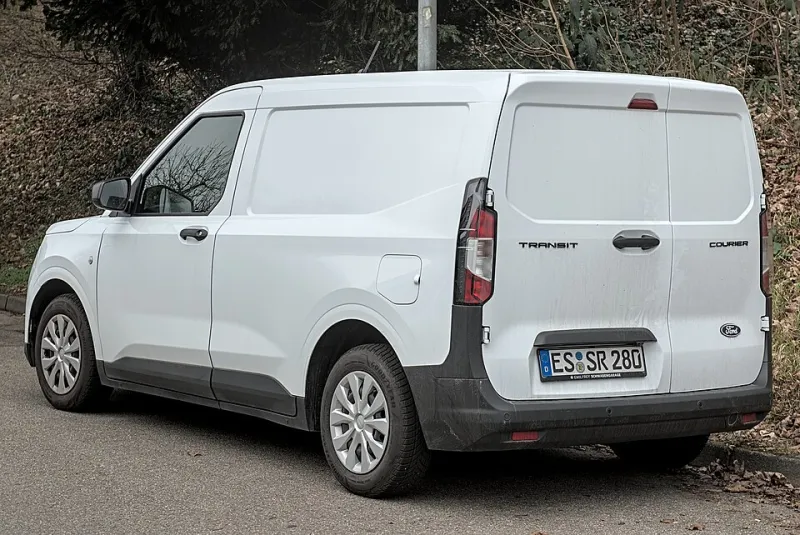
Photo: Zunkir, CC BY-SA 4.0, via Wikimedia Commons
There's a particular kind of van advert that makes buyers scroll straight past: the one that describes a five-year-old panel van with 90,000 miles as 'immaculate throughout'. Everyone knows it isn't. A van that has carried ladders, tools and the occasional sack of cement has stone chips on the bonnet, a scuff on the nearside rear quarter, and a ply floor that smells faintly of diesel and hard work. Buyers aren't put off by that. They're put off by sellers who pretend it isn't there.
Selling a well-used work van privately is not about making it look like something it isn't. It's about presenting the truth clearly enough that a serious buyer can make a decision quickly. Do that properly and you'll usually land somewhere between the trade bid and the dealer forecourt price, which is exactly where a private seller wants to be.
Start With What You Can Prove
Before you think about photographs or a price, gather the paperwork. A buyer's first question is rarely about the paint. It's about whether the van has been looked after, and the only convincing answer is a file they can flick through.
Pull together the service book, any independent garage invoices, MOT certificates and the online MOT history printout. If the van has been serviced at a main dealer, say so; if it's been looked after by a local independent, that's just as credible to most tradespeople, who probably use the same sort of garage themselves. What matters is continuity. A van with gaps in its service record invites suspicion; a van with a scruffy folder full of dated receipts tells a story.
Be straight about the big jobs too. If the clutch was replaced at 78,000 miles, that's a selling point. If the cambelt is due next year, say so in the advert. A buyer who discovers an upcoming expense after the sale will assume you hid it. A buyer who is told upfront will often just factor it into their offer, which is a much easier conversation.
The Scuffs Aren't the Problem; the Silence Is
Small dents and scratches are normal on a working vehicle. The mistake is writing an advert that sounds defensive, or worse, trying to pass off damage as a 'parking mark' when it clearly happened against a gatepost.
Walk around the van in good daylight and make a list. Photograph each flaw close up, then photograph the whole panel so a buyer can see the context. In the advert, mention the notable ones in plain language: 'small dent on the offside front wing', 'scuff on rear bumper from a loading bay', 'two bolt holes in the floor from old racking, sealed'. That last detail matters, because holes left open are how damp gets into ply and how a small issue becomes a rotten floor.
Buyers are practical people. They will forgive a dent. They will not forgive a seller who wasted a two-hour round trip to view a van that was described as mint.
Strip It Back Before You Sell
Racking, ply lining and sign writing are useful while you own the van, but they narrow the buyer pool. A plumber might love your shelving; a courier firm won't. Livery is even more personal. A van still wearing another company's name looks like a vehicle with an identity crisis.
Remove the racking if you can do it without damaging the panels, and seal any holes properly with suitable grommets or sealant. If the racking is genuinely valuable and easy to remove, you can offer it separately, but don't make it a condition of sale unless you're targeting the same trade.
For livery, vinyl graphics usually come off with gentle heat from a hairdryer or heat gun and a plastic scraper, followed by an adhesive remover. Take your time. Rushing it leaves residue or, worse, pulls lacquer off a repainted panel. If the sign writing is painted on, a professional removal job may be worth the cost, because a clean white or silver van is easier to sell than one with a faded logo ghost on the side. Clean the interior properly too: vacuum the cab, wipe the dash, clear out the fast-food wrappers and the mystery screws in the door pocket. You're not detailing it for a concours d'elegance; you're showing that you looked after it.
Price It Twice, Not Once
Private sellers often make one of two mistakes: they price against dealer forecourt figures and wonder why nobody calls, or they accept a trade bid because it's the only number they have.
Get a few trade quotes first, from online buying services and a couple of local dealers. Those quotes are your floor. Then look at private adverts for the same model, age, mileage and rough condition. Ignore the dreamers asking silly money. Look at what actually sells. Your realistic private price sits above the trade bid and below the dealer retail price, closer to the middle for a van with visible wear.
Leave a little room for negotiation, but don't inflate the price so much that you scare off the sensible buyers. In the advert, state the price clearly and add 'sensible offers considered'. That signals flexibility without inviting cheeky half-price bids.
Viewings Without the Theatre
Arrange viewings at your home or a secure yard, in daylight, and have the paperwork ready on the table. Let the buyer look underneath, start it from cold, and check the lights and tyres. If they want to bring a mechanic or a code reader, let them. A confident seller has nothing to hide.
Don't over-promise on the test drive. Make sure you're insured for them to drive it, or take them out yourself. And resist the urge to talk constantly. Silence while a buyer inspects the sills is not a bad sign; it's usually a sign they're interested.
Getting Paid Properly
This is where private van sales go wrong. Bank transfer is the sensible default, but you need to see the funds in your account, not a screenshot of a pending payment. Faster Payments can take a couple of hours; CHAPS is same-day and suitable for larger sums. Avoid anything that smells like an escrow service you've never heard of, and be wary of buyers who offer to pay a deposit by link and then ask for a refund 'by mistake'.
Cash still works, but count it at the bank, not in the kitchen. If the buyer wants to pay by banker's draft, ring the issuing bank to verify it before handing over the keys.
The Handover
Complete the V5C with the buyer's details, tear off the new keeper slip, and keep a photo of the completed document. Write a simple receipt with the date, time, price, registration and both names. Include the phrase 'sold as seen, with known faults disclosed' and list anything you told them about. It won't override their statutory rights if you're a trader, but it does help a private seller show what was agreed. Tell your insurer the van has gone and cancel the tax if it isn't being transferred.
Then let it go. A fair price for an honest van is not a defeat. It's the end of a working life and the start of someone else's.