Past the Century: Used Vans That Still Earn Their Keep at 100k
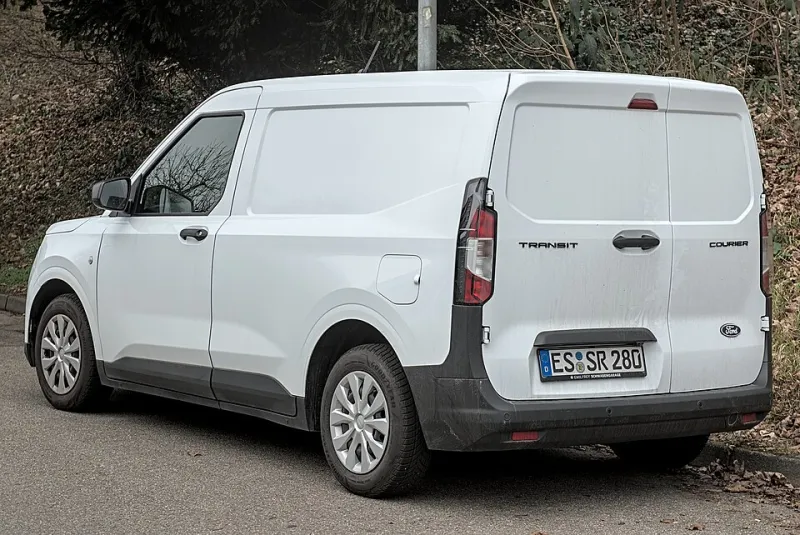
Photo: Alexander Migl, CC BY-SA 4.0, via Wikimedia Commons
Plenty of tradespeople see six figures on a van clock and instinctively back away. That is understandable, but it is not the whole story. A well-maintained 100,000-mile Transit Custom can be better value than a nearly new van on a lease that eats cash every month. The trick is separating a van that has been looked after from one that has simply survived.
Why 100k is not the cliff edge it once was
Modern diesel vans are not the fragile things some buyers remember from decades past. Provided the oil has been changed on time and the van has not spent its life doing short, cold runs with a full load, 100,000 miles is often mid-life rather than end-of-life. Motorway miles are generally kinder than stop-start city work, though they still wear suspension, brakes and clutches.
In 2026, clean air zone compliance matters almost as much as mileage. A cheap non-compliant van can become expensive the moment it enters a charging zone regularly. Check the rules for the areas you actually work in before you fall for a tidy high-mileage bargain.
The shortlist
Ford Transit Custom
The Transit Custom is the default workhorse for good reason. Parts are easy to find, most garages know them, and the driving position is decent for long days. The 2.0 EcoBlue engine can serve well, but some examples use a wet belt arrangement, so you need evidence it has been changed on schedule. A snapped belt can turn a cheap van into a scrap candidate. Listen for timing rattle, check for oil leaks and make sure the DPF warning light is not a permanent fixture.
Vauxhall Vivaro
Vivaro values are tempting, especially on higher-mileage examples. The later vans are generally pleasant to drive and parts are not frightening. Earlier 1.6 CDTi engines can be fussy, so listen carefully for chain rattle on a cold start. Check the gearbox for whine and make sure the clutch is not right at the top of its travel. A full service history matters more than a shiny dashboard here.
Volkswagen Caddy
If you do not need a full-size panel van, the Caddy is a handy option. The 2.0 TDI is usually sturdy, but DSG gearboxes need proper oil changes. Ask when the DSG oil was last changed and look for jerky low-speed behaviour on the test drive. Rear arches and sill areas are worth a close look, especially on older vans that have spent years near the coast.
Mercedes Sprinter
A high-mileage Sprinter can still be a serious tool, particularly for longer-distance work. The catch is that repairs can be costly when they go wrong. Check the rear wheel arches, steps and underbody for rust. Listen for injector tick, turbo whine and any sign of coolant loss. A Sprinter with a thick folder of invoices can be excellent value; one with a flashing warning light and a seller who is in a hurry is a different proposition.
Service history: what actually counts
A stamped book is nice, but invoices are better. You want dates, mileages and parts. Oil changes, fuel filter changes and any major belt or chain work should be traceable. A van with 120,000 miles and a folder of receipts can be a safer buy than a 70,000-mile van with no paperwork.
Check the MOT history online before you travel. Advisories tell a story: repeated suspension notes, brake corrosion or tyre wear can hint at how the van has been treated. Do an HPI check, confirm the V5C details and make sure there is no outstanding finance. If the seller will not allow a code scan or an independent inspection, walk away.
Bills that should end the conversation
Some problems are simply not worth taking on unless the van is very cheap and you enjoy spannering. Structural rust around the chassis, jacking points and sills is a red flag. So is a gearbox that slips, a clutch that judders, or a DSG that clunks its way through the gears. Persistent DPF faults, injector seal leaks, turbo failure and coolant loss can all lead to bills that wipe out the saving over a newer van.
If the seller admits the van has been in a major accident, or the panels do not line up, do not be tempted by a low price. A twisted chassis never really fixes itself.
Pre-purchase inspection checklist
- Start the engine from cold and watch for smoke, rattles and warning lights.
- Scan the ECU for stored faults, not just the dashboard lights.
- Check every service invoice against the mileage and date.
- Look at the MOT history for repeat advisories.
- Inspect the roof, rear doors and load area for dents, rust and water ingress.
- Check tyre brands, tread depths and uneven wear.
- Test every switch, light, heater blower and electric window.
- Look under the van for oil leaks, exhaust repairs and underside scrapes.
- Drive it loaded if possible, and test the brakes properly.
- Confirm the VIN matches the V5C and the HPI check is clear.
When 100k beats a lease
A high-mileage van makes sense if you have a reliable local garage, a contingency fund of at least £1,500 and a realistic idea of what needs doing. If you are doing 12,000 to 15,000 miles a year and the van costs £8,000 to £12,000, it can undercut a lease comfortably even after maintenance.
A lease still wins if you need guaranteed uptime, a warranty and a van that projects the right image to customers. If you are doing 30,000 miles a year, the maths shifts again: newer metal and lower downtime may be worth the monthly cost.
The honest answer is that 100,000 miles is not the deciding factor. Condition, paperwork and the size of the repair fund matter more. Buy the best-documented van you can afford, not simply the one with the lowest clock.